France
Civil protection and emergency management in France are organized centrally by the government and are primarily coordinated by the Sécurité civile. The fire departments, which consist of both professional and volunteer personnel, are responsible for fire protection, technical rescue, and a large part of emergency medical services. The Police Nationale and the Gendarmerie Nationale carry out tasks related to threat prevention, law enforcement, and public safety nationwide. Together, these organizations form the central pillars of the French security, emergency medical, and disaster response system.
Fire Service
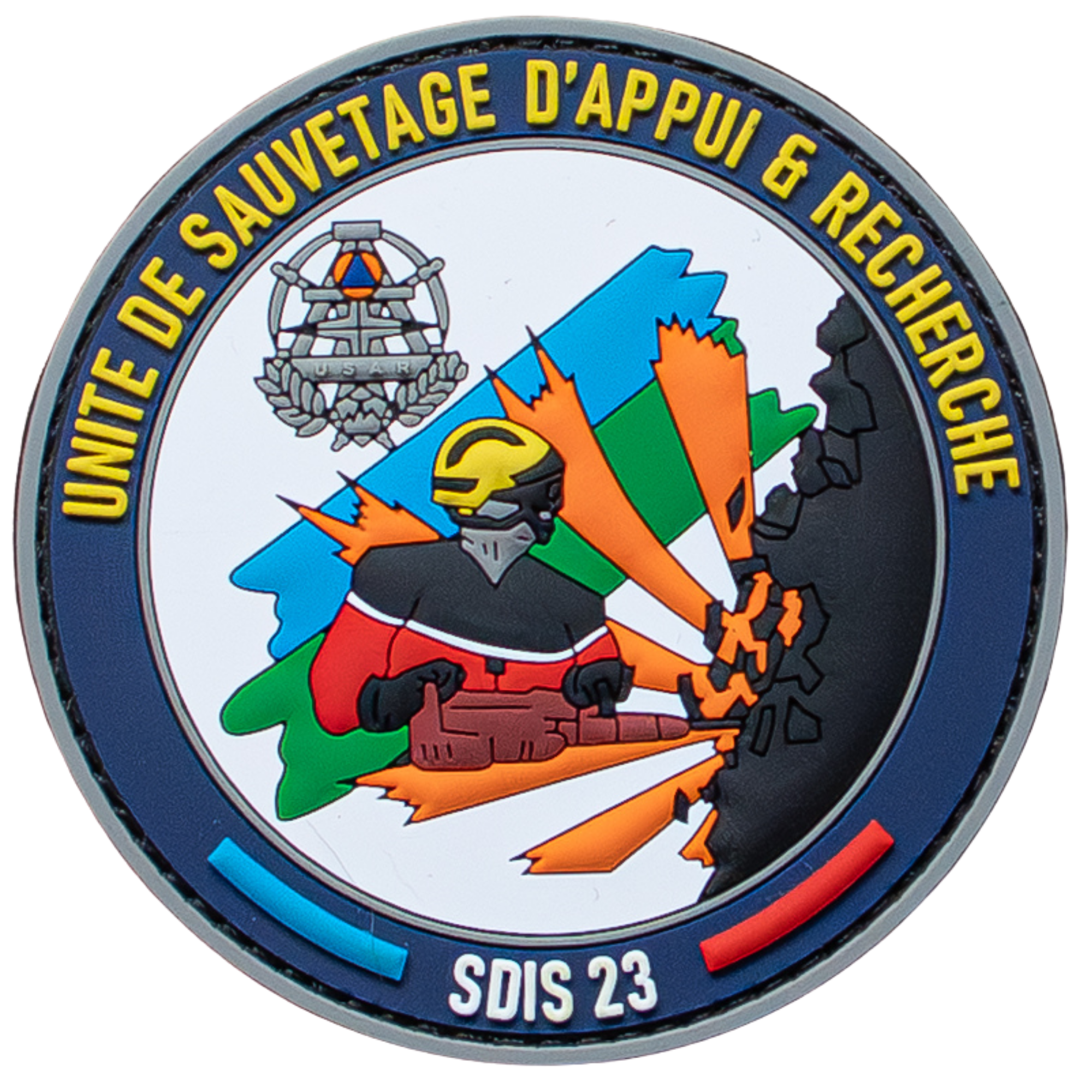
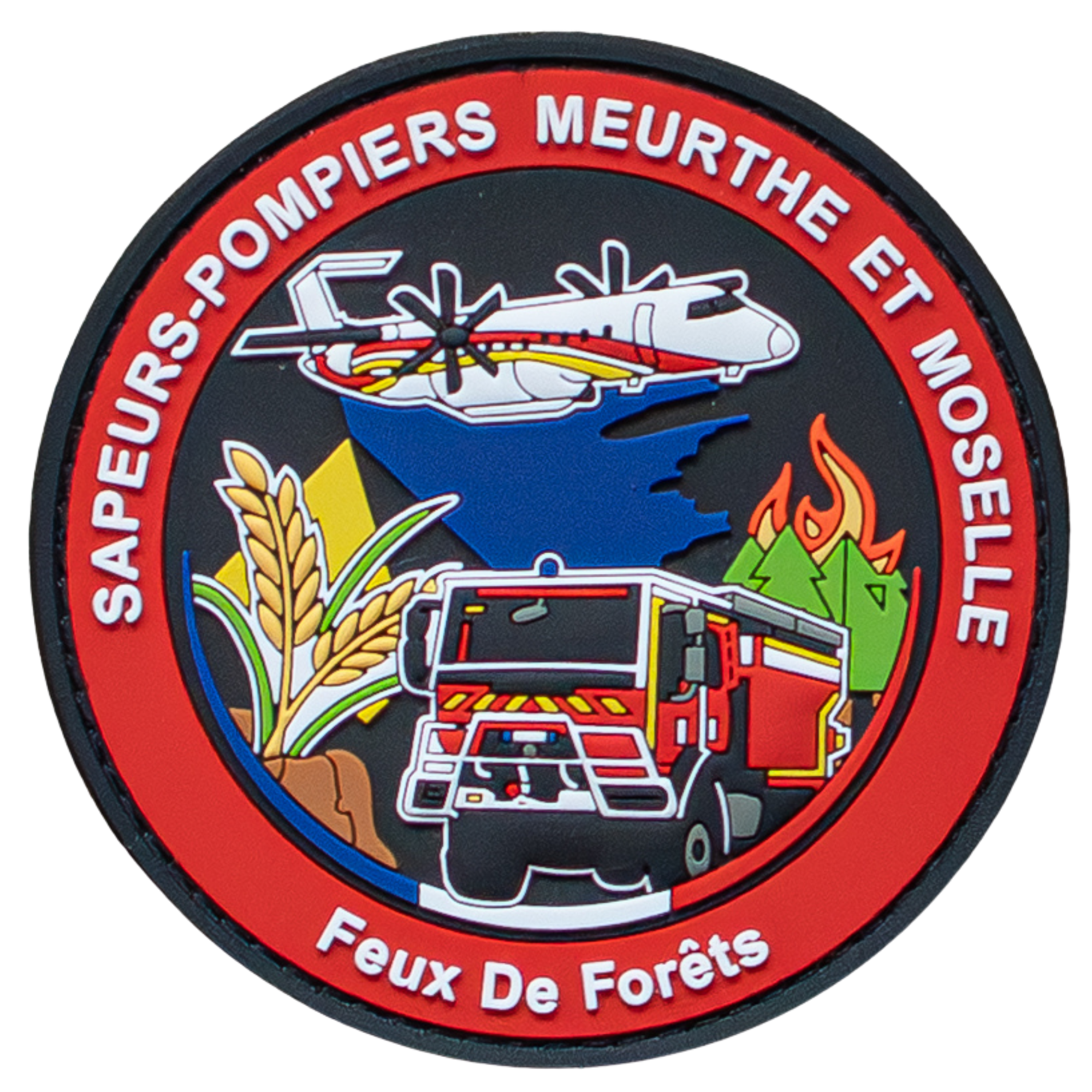
The first fire departments in France date back to the 19th century, when organized firefighting structures developed in many cities and firefighting became increasingly professionalized. With industrialization and urban growth, fire protection became even more important. Today, the French fire service consists of professional fire departments and a large number of volunteer firefighters known as the Sapeurs-pompiers. In total, several hundred thousand firefighters are involved in fire protection, technical rescue, emergency medical services, and disaster response.


Air Rescue/EMS
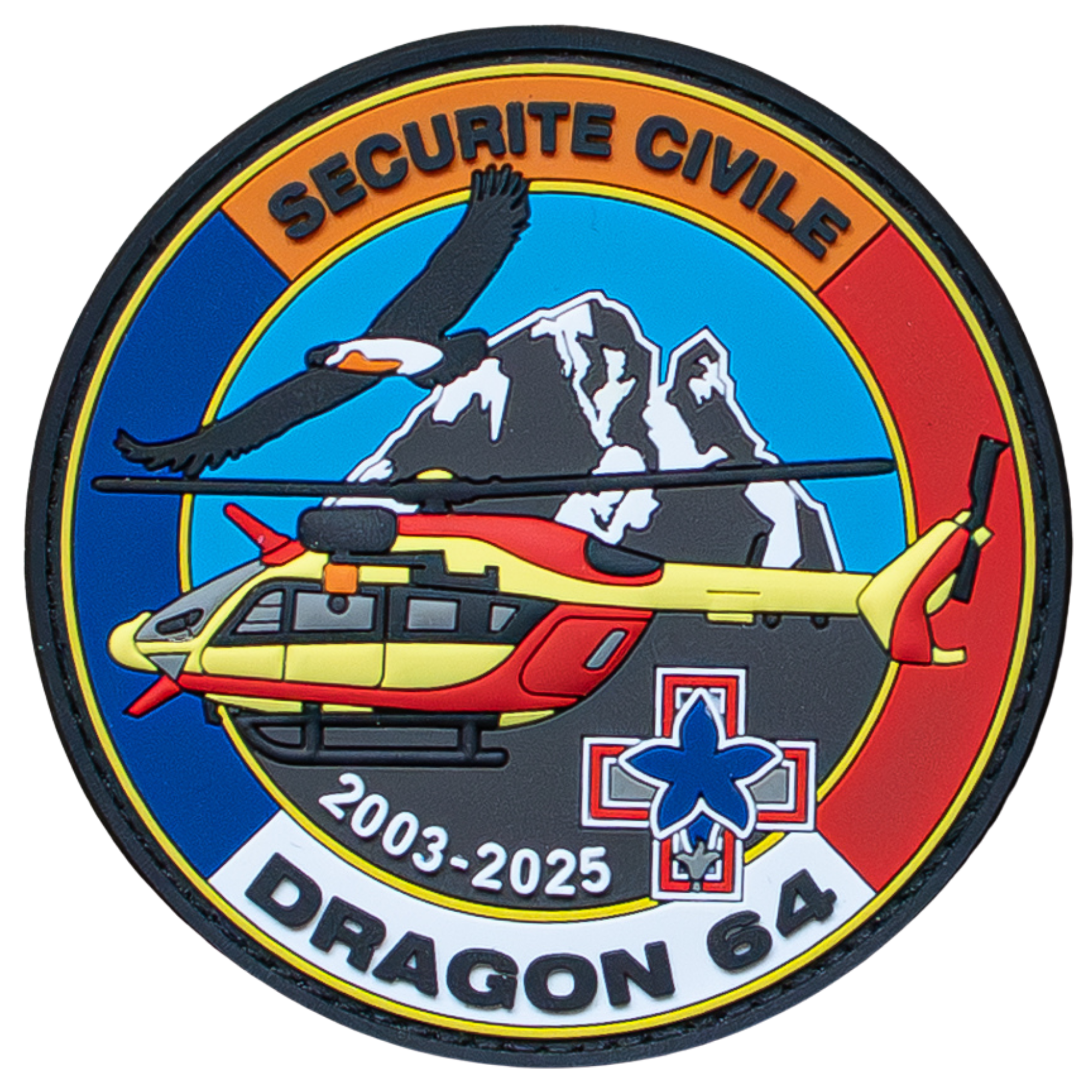
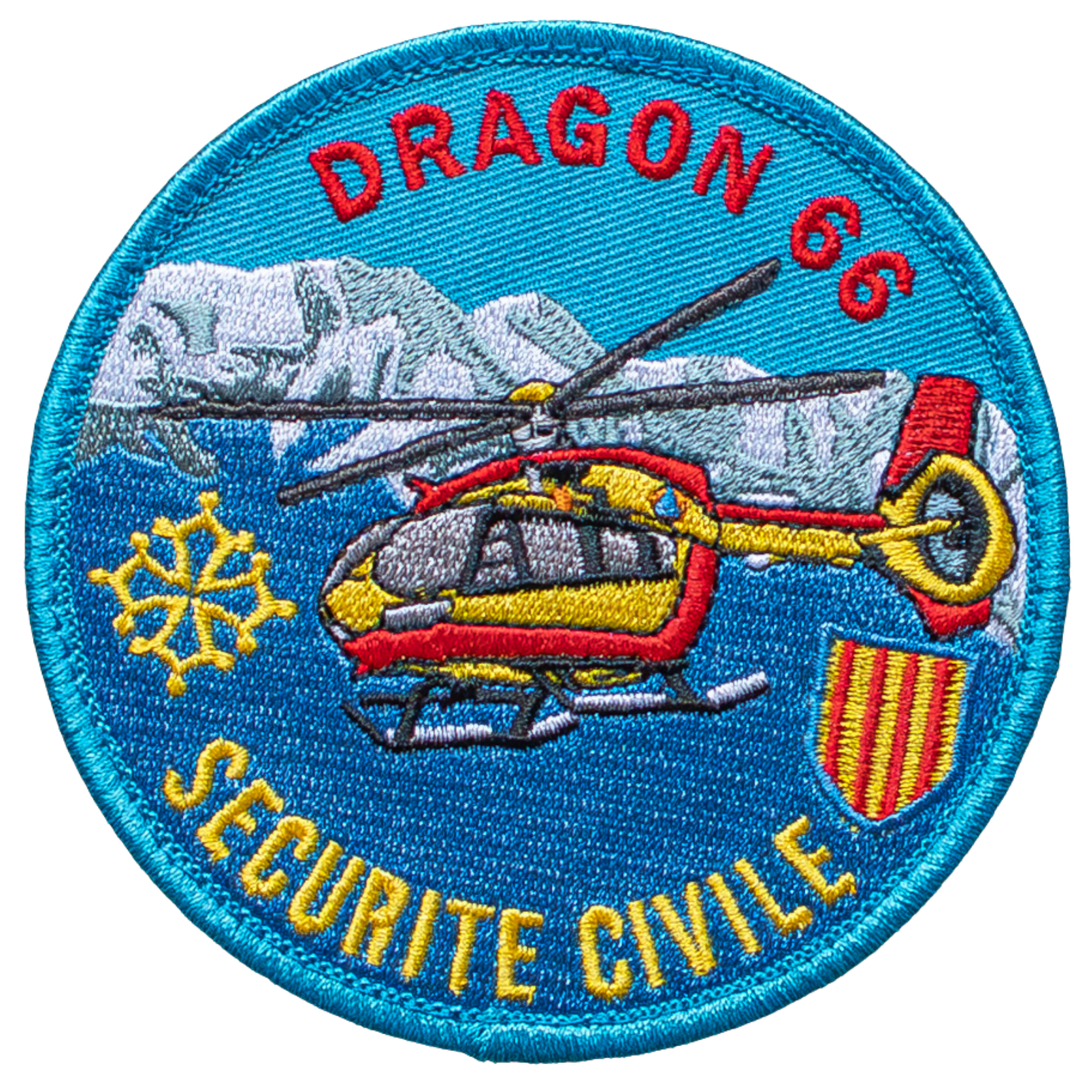
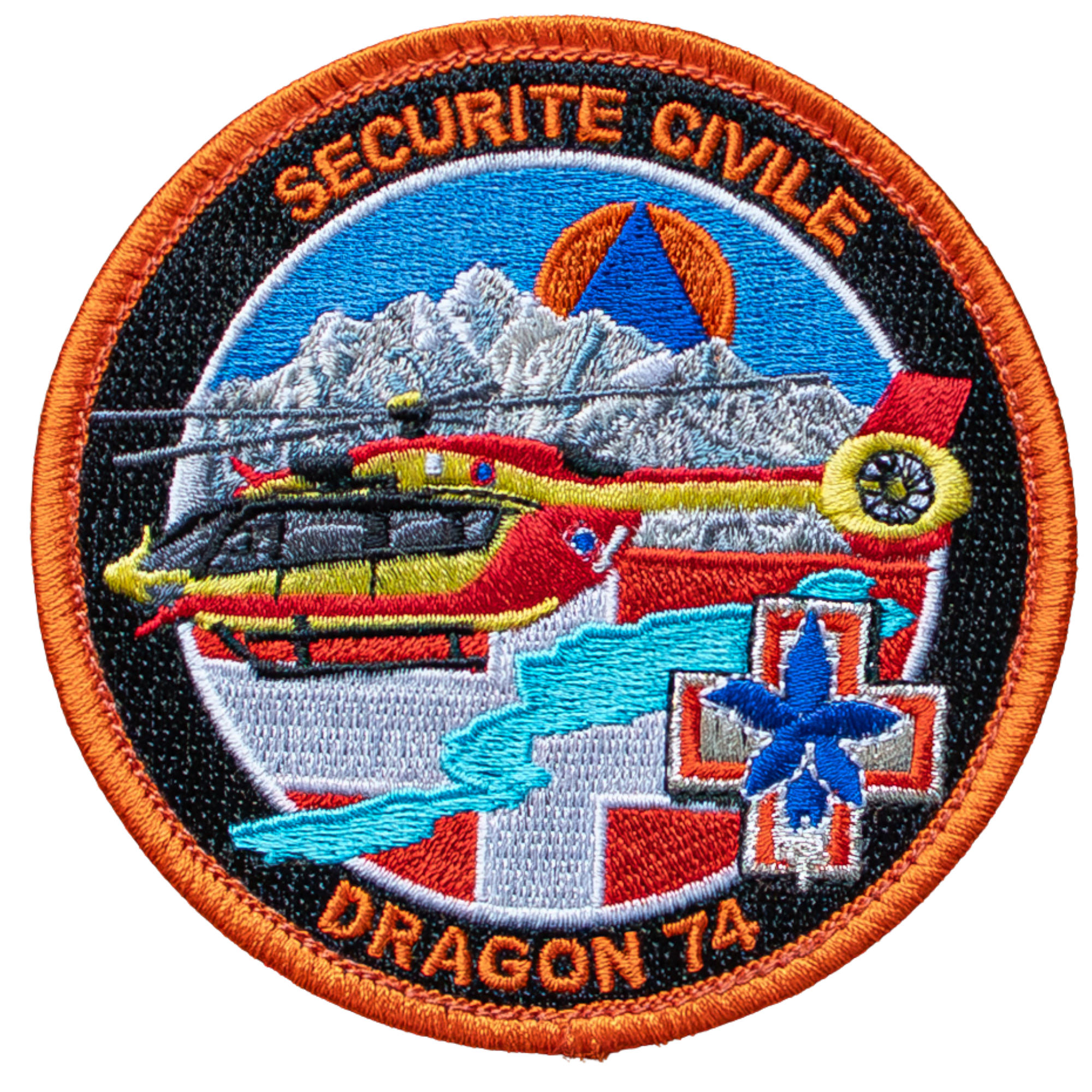
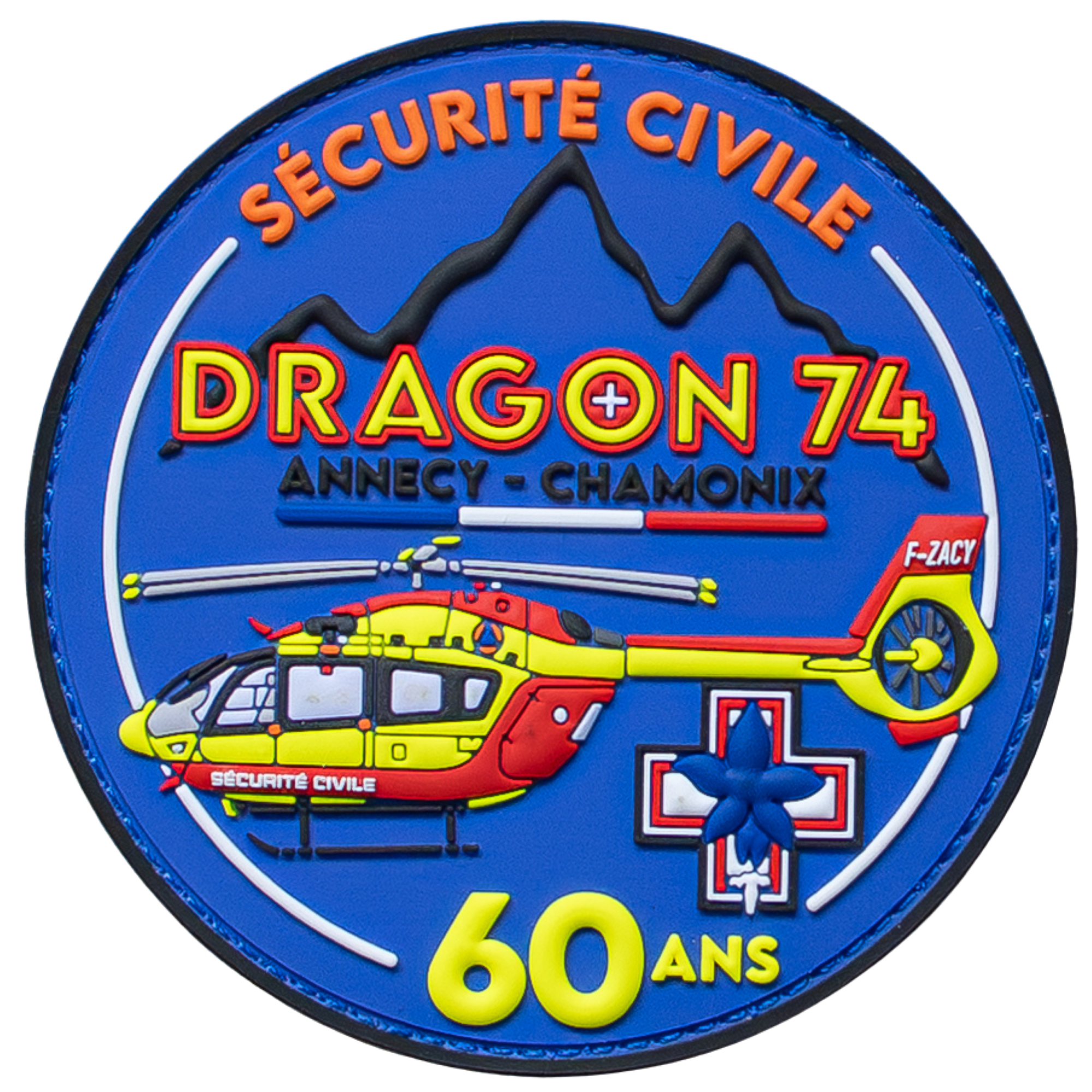
Air rescue in France began to develop in the second half of the 20th century, as helicopters were increasingly used for medical emergencies and rescue operations. Air rescue gained particular importance with the expansion of the emergency medical system and the introduction of the SAMU structures. Today, French air rescue is operated by the Sécurité civile, the SAMU, and other government and civilian organizations, among others. It is an integral part of the emergency response and disaster management system and handles emergency missions, patient transport flights, and specialized rescue operations, such as those in mountainous terrain or at sea.
Sécurité Civile






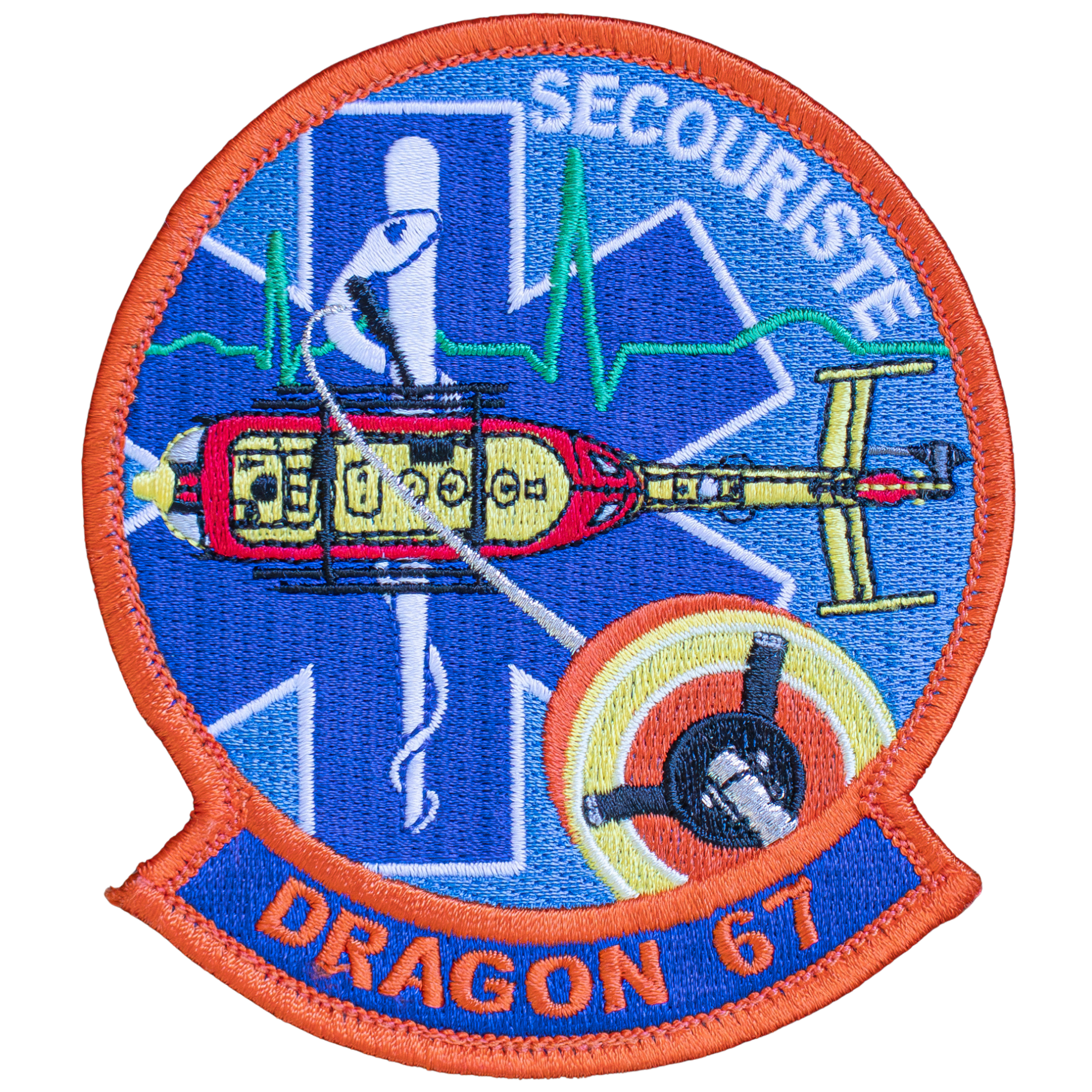




EMS


Police Nationale
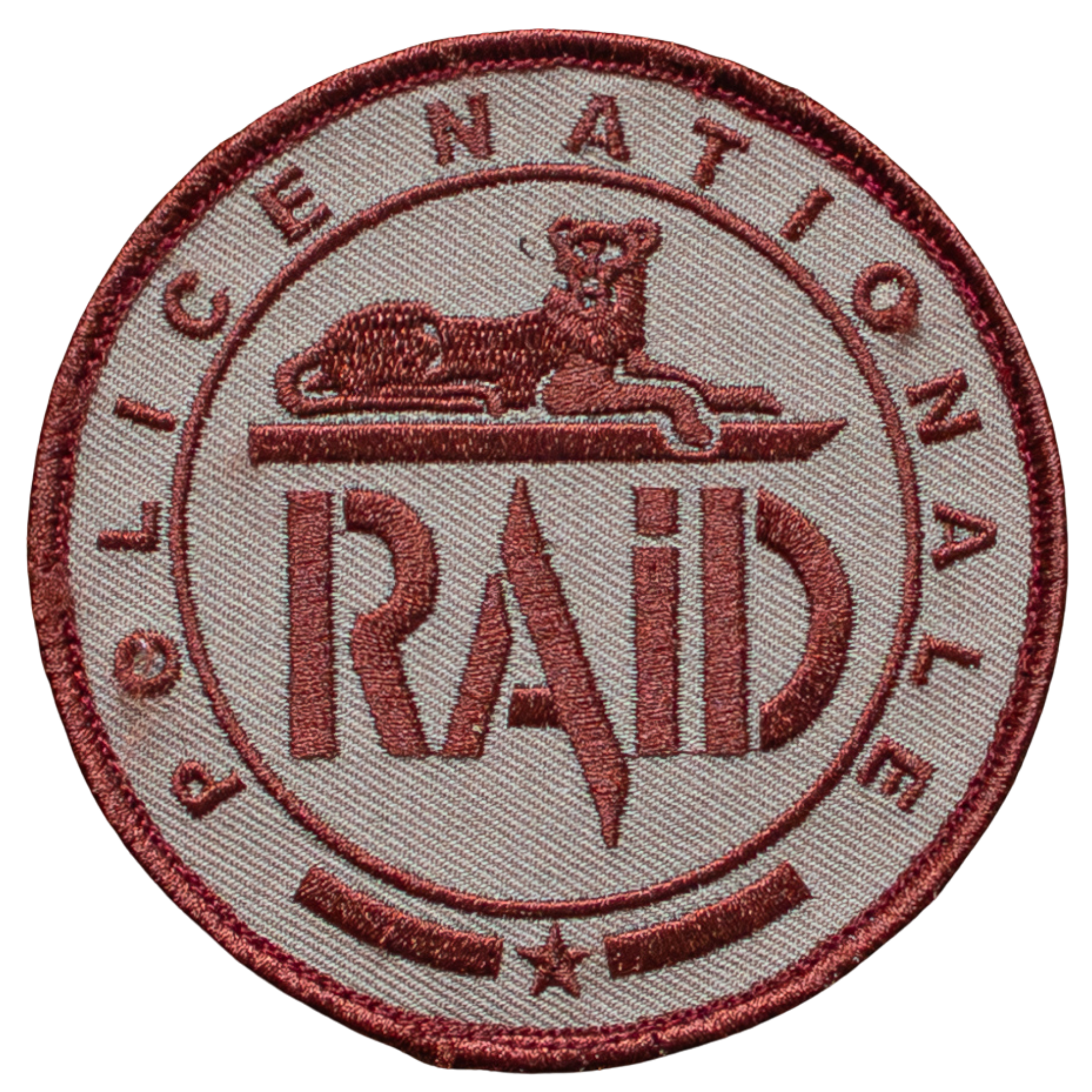
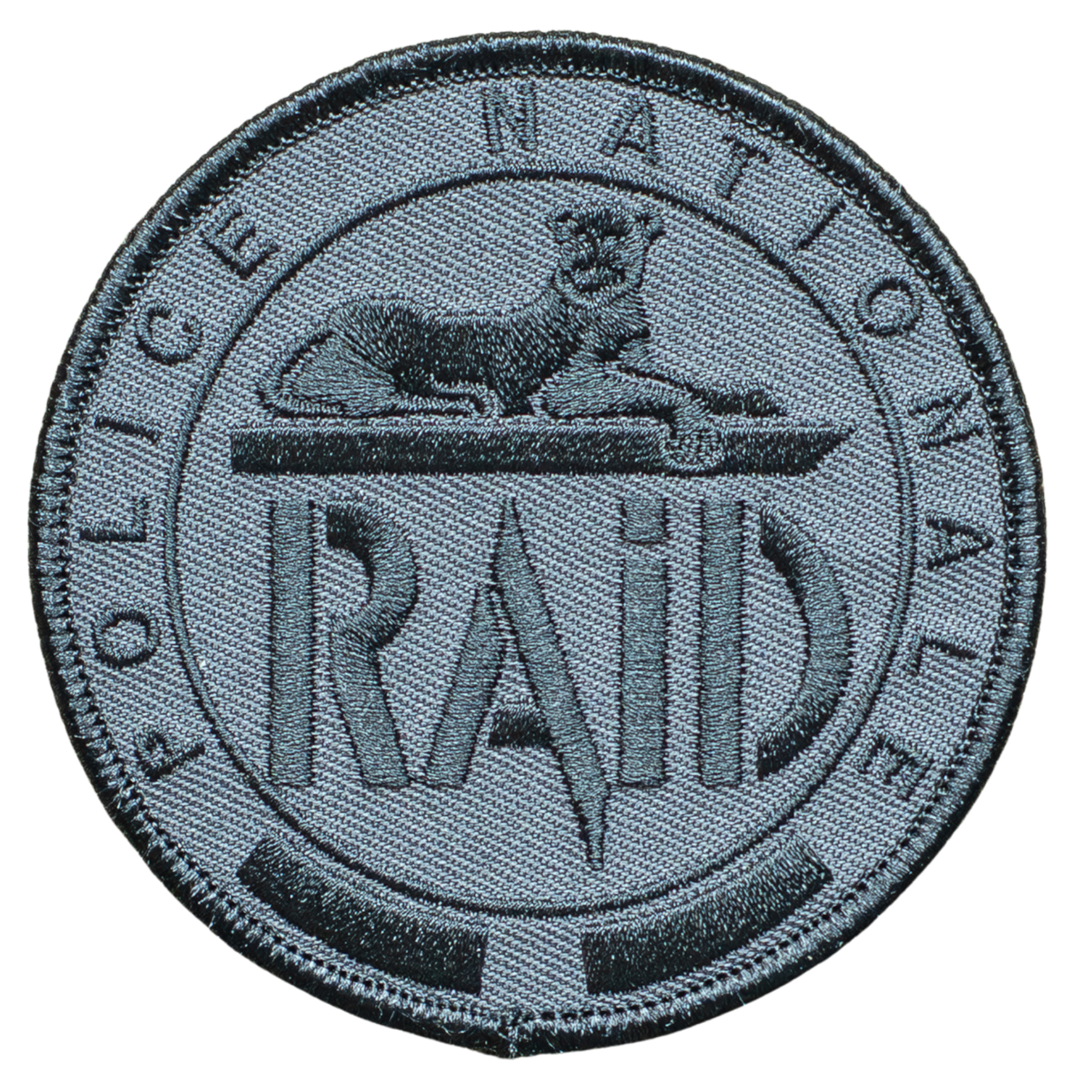
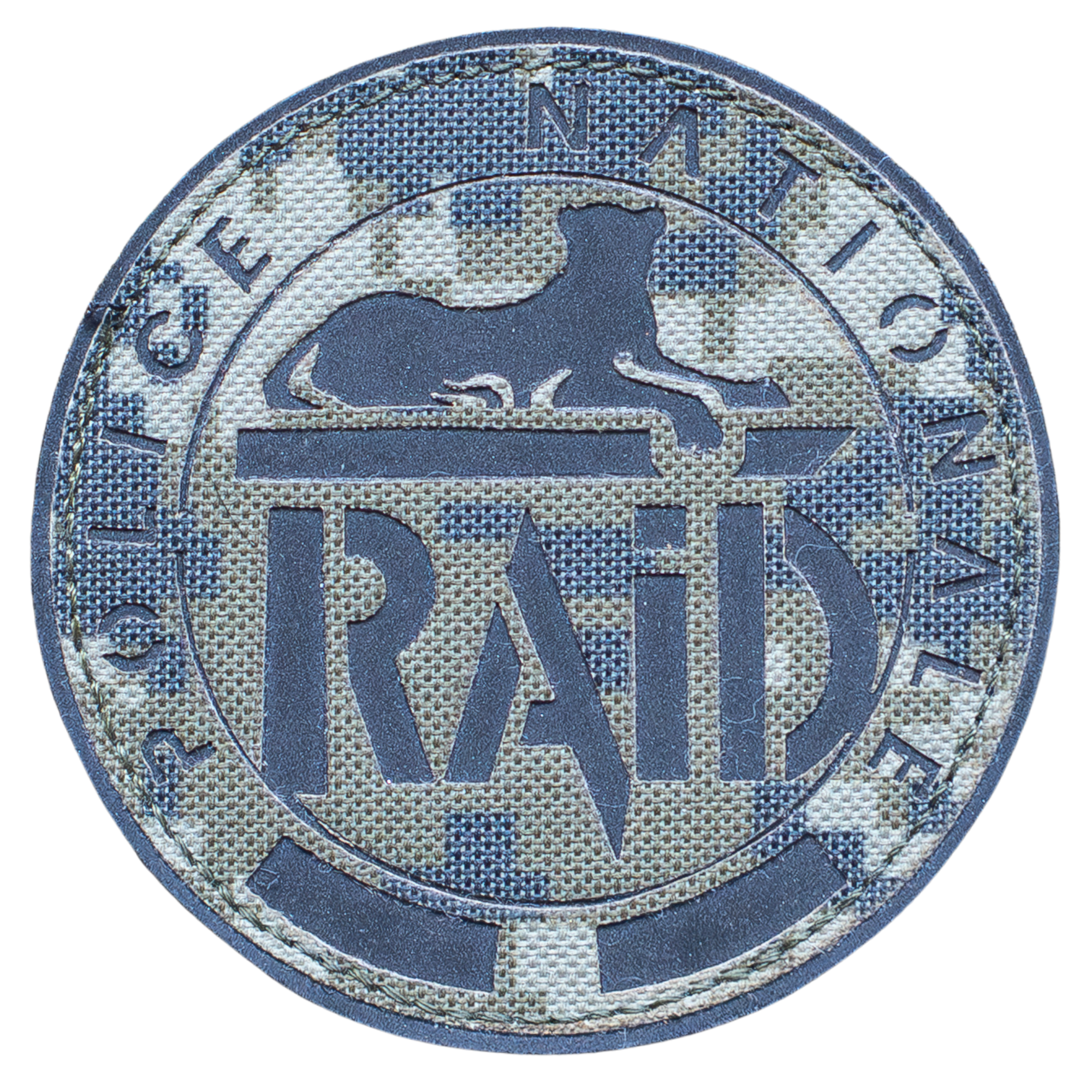
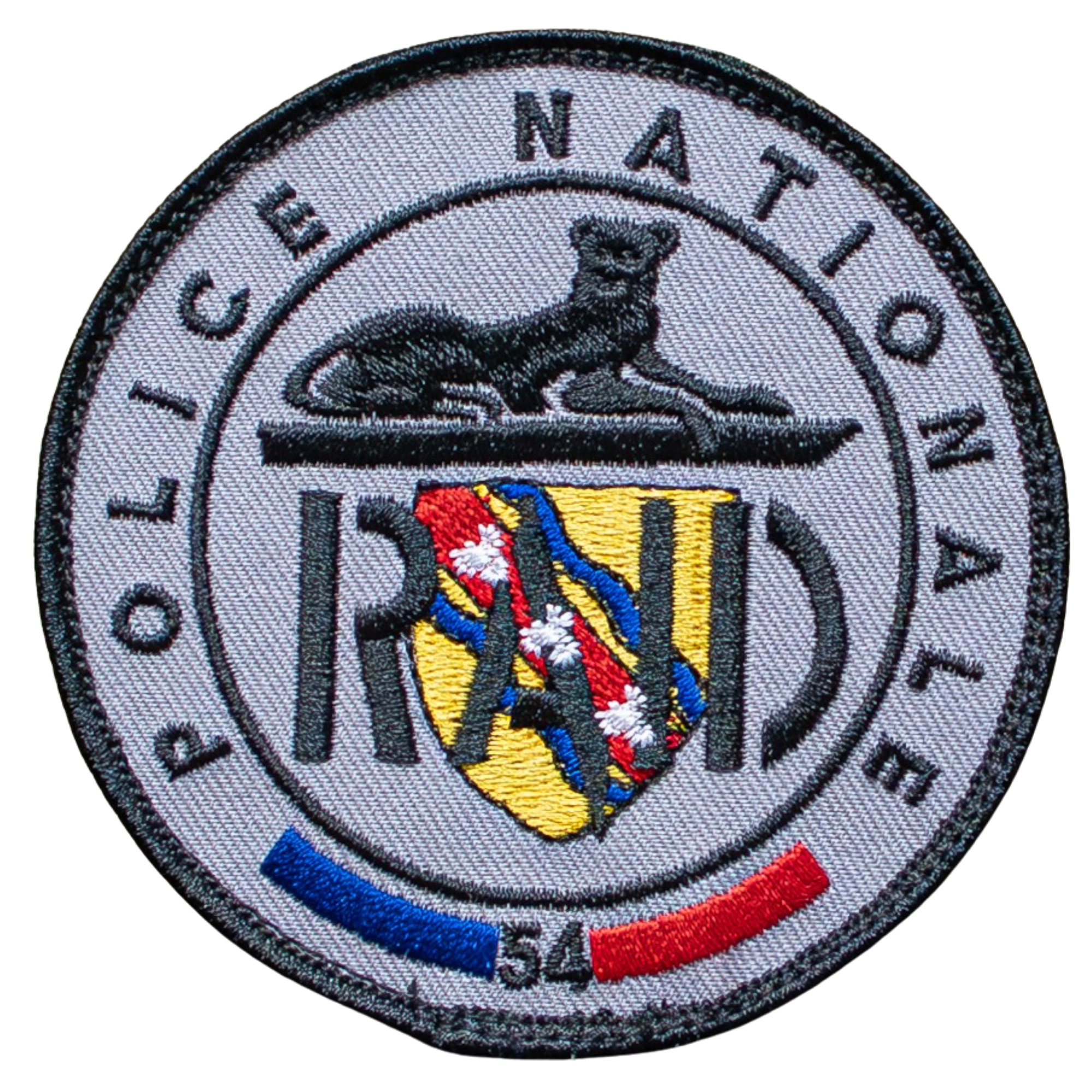
The history of the Police Nationale in France dates back to the 19th century, when state police structures were gradually established and centralized to ensure public order and safety nationwide. Over the course of the 20th century, it evolved into a modern, state-organized police force with clear responsibilities in threat prevention, law enforcement, and internal security. One important special unit is the RAID (Recherche, Assistance, Intervention, Dissuasion), which was founded in 1985 and specializes in counterterrorism, hostage rescues, and particularly dangerous operational situations. Today, the Police Nationale, together with specialized units and in close cooperation with other security agencies, forms a central pillar of internal security in France.
RAID (Recherche, Assistance, Intervention, Dissuasion)


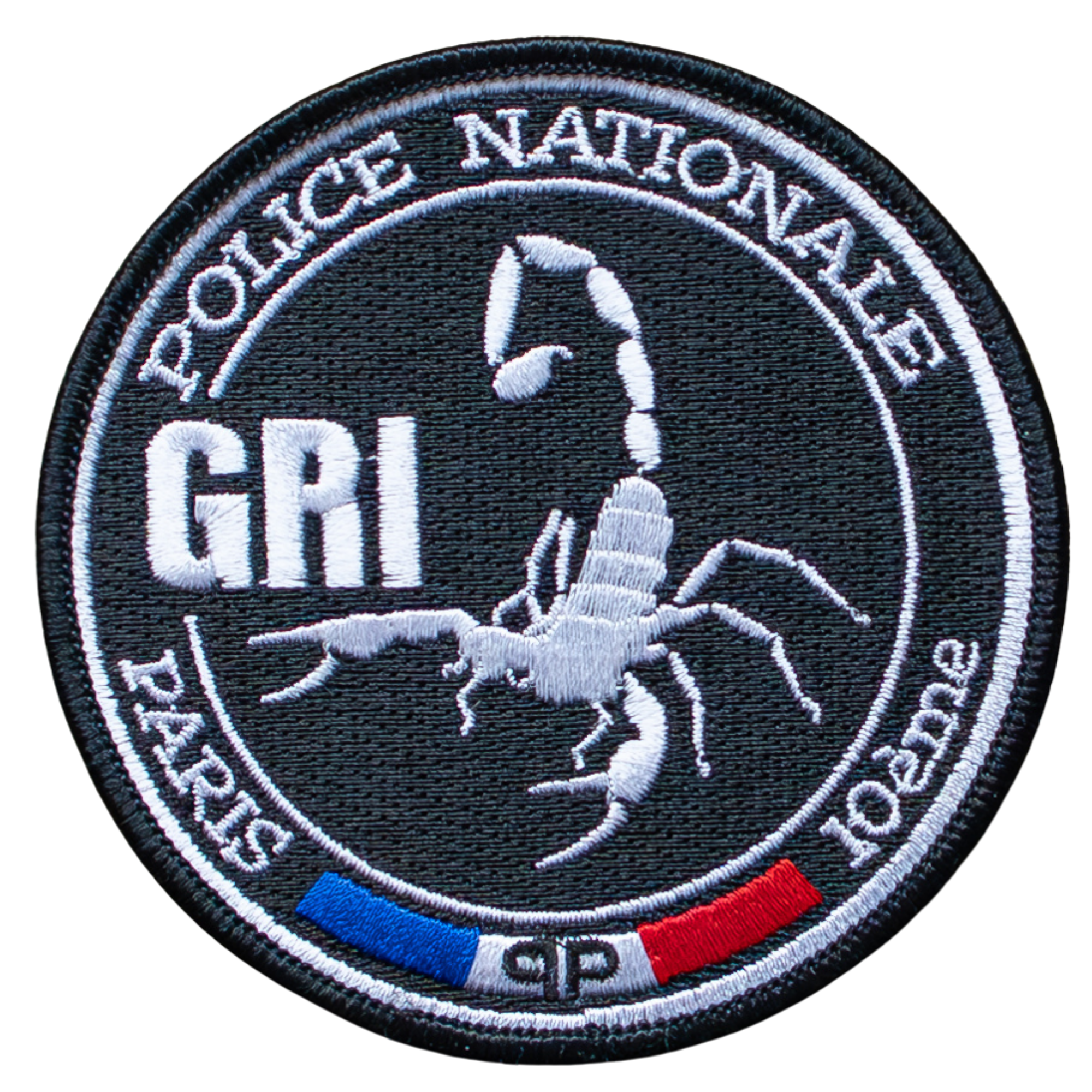
Other units

Gendarmerie Nationale
The history of the Gendarmerie Nationale dates back to the 18th century and has its roots in the Maréchaussée of the Ancien Régime, which later evolved into a nationwide military police force. Over time, it assumed key responsibilities in public safety—particularly in rural areas—as well as in law enforcement, threat response, and the protection of government facilities. One important special unit is the GIGN (Groupe d’intervention de la Gendarmerie nationale), founded in 1974, which specializes in counterterrorism, hostage rescues, and particularly complex operational situations. It is supplemented by regional branches that serve as decentralized operational components and ensure rapid response capabilities throughout the country. Together, the Gendarmerie nationale and its specialized units form a central pillar of internal security and crisis management in France.